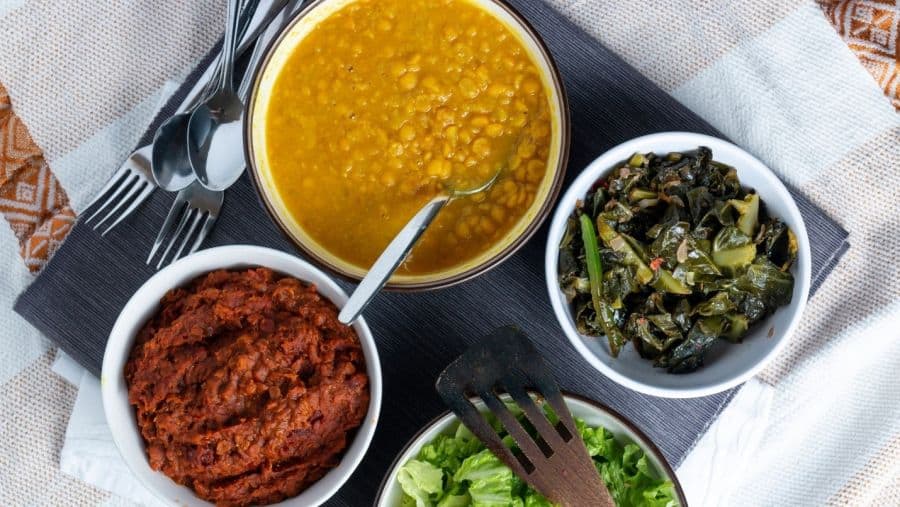
Choosing a traditional restaurant begins with understanding its culinary approach first. Try to find menus that clearly describe traditional ingredients and preparation methods. Authentic venues often explain where signature recipes and flavours originate. This can help diners understand what makes each dish truly distinctive. Ask whether teff/injera remains central to the restaurant’s traditional menu. Fresh ingredients can reveal much in regards to the kitchen’s overall standards. A gluten-free choice may also suit diners with dietary preferences. Check whether dishes accommodate different tastes without losing traditional character. Reading menus carefully makes choosing a traditional restaurant much easier. Clear descriptions can also reveal the kitchen’s commitment to tradition. A strong restaurant should demonstrate care for traditional cooking methods. Try to find dishes prepared with familiar ingredients and established techniques. Staff should explain flavours clearly without making unfamiliar dishes feel complicated. Their knowledge can indicate genuine respect for the cuisine’s heritage. Enquire about popular dishes when exploring the menu for guidance. A scratch-made approach often creates fresher flavours and memorable textures. Click on the following website, if you are looking for more information about habesha restaurant dallas.
Restaurants using thoughtful preparation usually show greater attention to detail. The angle stood out when comparing restaurants with distinct culinary identities. These details can help reveal a traditional dining experience clearly. Thoughtful explanations also make unfamiliar choices easier to comprehend comfortably. The dining atmosphere can also influence how authentic your experience feels. Try to find welcoming spaces that reflect the cuisine without feeling staged. Traditional presentation can enhance appreciation for unfamiliar dishes and flavours. Friendly service should encourage questions and make exploration feel comfortable. Authentic dining should feel inviting from the moment guests arrive. Consider whether the menu offers enough variety for different preferences. Vegetarian choices may make shared meals easier for larger groups. Gluten-free options can also support more inclusive dining experiences comfortably. Thoughtful menus help everyone benefit from the occasion together naturally comfortably. Welcoming surroundings may make traditional dishes feel a lot more memorable. Reviews can provide useful clues when selecting a traditional restaurant. Concentrate on comments discussing flavours, preparation, service, and overall atmosphere.
Try to find consistent praise rather than relying upon one personal opinion. Recent feedback can reveal whether quality remains steady over time. Restaurant websites may provide useful information regarding menus and ingredients. Social pages can also show dishes and dining experiences visually. Compare several sources before deciding which restaurant deserves your attention. Consider how closely each option matches your preferred dining style. This method makes restaurant selection more informed and straightforward overall today. Reviews describing authentic flavours can provide especially useful dining insights. Your best option should combine authenticity, quality, and welcoming service. Try to find traditional flavours supported by carefully prepared fresh ingredients. A balanced menu should offer choices for different dietary requirements comfortably. Ask questions whenever ingredients or preparation methods need further clarification. Consider whether teff/injera appears alongside other recognised traditional dishes today. A gluten-free option may make the ability easier for everyone. Scratch-made dishes often demonstrate care through freshness, texture, and flavour. When these qualities align, the restaurant becomes more straightforward to trust. Thoughtful research helps create an enjoyable and genuinely authentic meal. Comparing menus beforehand may make the final decision much simpler overall.